
Local SEO for local businesses
Local SEO for Osteopaths
Osteopaths help people seeking a local practice for assessment, movement support, or follow-up care. A visitor may have a new concern, recurring discomfort, a work-related issue, or a question about movement.
People searching for osteopaths usually need the concern, assessment route, setting, availability, and practical first step. A clear local page helps them understand the fit before they commit to a call or form.
The useful signals are specific: specific, measured information about care, location, and appointments. Give a visitor a low-pressure assessment enquiry, with enough context to make the first reply worthwhile.
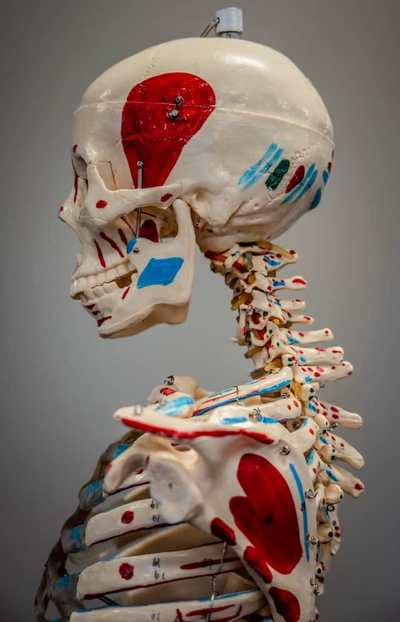
Who we help
VU1 helps osteopaths businesses with osteopathic assessment, musculoskeletal care, movement advice, rehabilitation support, and follow-up treatment.
Cities we cover
Find local osteopaths in your city.
Choose a city page for local context. These are useful starting points; actual service coverage should always match the work a business can take on.
01
The services behind the search
An osteopathy page should translate the practice into a useful first conversation. Explain assessment, the kinds of movement or pain concerns discussed, appointment setting, and when a practitioner may suggest another form of care.
Let visitors recognise the osteopaths job they need, from osteopathic assessment and musculoskeletal care to related work, without guessing what you take on.
02
How customers search locally
People often search by symptom and place rather than by clinical terminology. Local pages need to be factual, reassuring, and clear about what happens before anyone decides to book.
↗“osteopath near me” — a local practitioner search.
↗“osteopath in Oxford” — a city and profession query.
↗“osteopath for neck pain near me” — a concern-led search.
↗“sports osteopath Oxford” — a movement and activity query.
↗“osteopathy assessment near me” — a first-appointment search.
Match the wording behind the search, then give visitors enough detail to judge the job, place, and next step.
03
Why osteopaths lose local jobs online
Osteopaths can miss local appointments when the site is vague about who the practice helps, where it is, and what a first visit involves. For osteopaths, lost enquiries usually come from a few unanswered questions, not one dramatic failure.
01 / A missed signal
A practice with no verified Google Business Profile or meaningful reviews is easy to pass over when a visitor is choosing between local clinics.
02 / A missed signal
A thin page full of technical terms can leave out the practical answers: who the appointment is for, what assessment involves, and how to arrange a first visit.
03 / A missed signal
Slow mobile loading and a hidden phone or booking route create unnecessary work for someone searching with a specific concern.
04 / A missed signal
Conflicting practice details, an old address, or missing local schema weaken confidence in the clinic and its area.
05 / A missed signal
Another osteopath with a short, respectful enquiry route can capture a hesitant visitor before a long general contact form does.
For osteopaths, the useful message is simple: show the job you handle, the area you reach, and the next step to enquire.
04
How VU1 helps
The free audit checks treatment language, clinic and area signals, appointment information, mobile usability, and the page details searchers rely on.
VU1 checks 15 signals across practice wording, concern-led services, local identity, page titles, mobile contact, and the first-appointment route. Weekly re-audits show when changes to opening details, accessibility, or service explanations need attention.
15 signals checked
Checks osteopathic assessment and musculoskeletal care, local details, and the route to a useful osteopaths enquiry.
Weekly re-audits
Weekly re-audits track osteopathic assessment and musculoskeletal care, coverage, and contact routes.
Next step
A clear fix list makes the right osteopaths job easier to recognise.
05
What you’ll see change
A stronger page helps visitors recognise the kind of appointment offered and ask a suitable question without searching through jargon. That can improve enquiry quality, but it cannot promise health results, rankings, or patient volume.
Clearer
A visitor can match the search to the service.
Trackable
You can see which changes were made and when.
More useful
Enquiries can arrive with better starting detail.
06
An instant quote widget
Visitors can choose an initial assessment or follow-up, describe their concern, and leave their details for a considered appointment reply. Keep the quote route beside the osteopaths service details so visitors can share the job while it is fresh.
Choose
The osteopathic assessment and musculoskeletal care service that fits the job.
Estimate
A starting figure shaped by the osteopaths service and job details.
Enquire
The details a osteopaths business needs for follow-up.
07
Questions customers ask osteopaths
Searches for osteopaths bring practical questions about fit, timing, and next steps. Answer them plainly and keep details current.
What does a first osteopathy appointment involve?
The practitioner should explain how they discuss history, movement, concerns, and an appropriate plan for the individual.
Can an osteopath use an enquiry widget?
It can gather a preferred appointment route and a brief, non-sensitive description before the practice replies.
What local information should a practice include?
Address, access, parking or transport, opening information, contact details, and how appointments are arranged should be easy to find.
Why audit an osteopath’s existing website?
A local SEO audit can reveal unclear service wording, missing practice signals, awkward mobile contact steps, and technical gaps.
Field note / Oxford, UK
An osteopaths example worth comparing.
The practice explained osteopathy in technical terms but did not help a nearby visitor understand the assessment, setting, or route for an initial conversation.
The audit simplified service wording, added Oxford clinic and access details, and brought appointment information closer to the enquiry step. Weekly re-audits checked pages, phone details, and local signals. Example outcome: the practice began appearing for more concern-led local searches after eight weeks and received 2–3 suitable enquiries a week.
Explore more
More services
Compare nearby services and see how VU1 adapts its audit and quote route.
Next step
Make your osteopaths business easier to find.
Tell VU1 what osteopaths work you take on, where you work, and what you want more of.