

You can do excellent gas work and still lose local jobs online.
A customer with no heating, a landlord needing a gas safety certificate, or a homeowner searching for a new boiler is usually looking for help quickly. They search phrases such as:
- “Gas engineer near me”
- “Gas engineer in [town]”
- “Emergency boiler repair”
- “Boiler installation near me”
- “Gas safety certificate [town]”
If your Google Business Profile is incomplete, vague or out of date, another engineer may get the call before the customer ever reaches your website.
This guide explains how to optimise your profile properly. It is practical SEO for gas engineers, not a list of complicated marketing tasks.

Why Google Business Profile matters for gas engineers
Your Google Business Profile can appear when someone searches locally, often above the normal website results.
That matters because gas-related searches are usually high intent. The person is not browsing for ideas. They may need:
- A boiler repair today
- An annual boiler service
- A new boiler installation
- A landlord gas safety certificate
- A gas appliance fitted
- Help identifying a suspected gas leak
Your profile gives them an immediate view of your service, location, phone number, opening hours, reviews, photos and trust signals.
For gas engineers, trust is especially important. Customers want to know who is coming into their home and whether the work can be carried out legally and safely.
A strong profile does not guarantee rankings or a full diary. Local competition, your service area, reviews, website and availability all matter. But an accurate, complete profile gives Google and customers much more to work with.
1. Choose the closest business categories
Your primary category should describe the main work you want to win.
Depending on the categories available in your profile, this may be:
- Gas Engineer
- Heating Contractor
- Central Heating Service
- Gas Installation Service
Choose one main category. Do not add every vaguely related category just to appear for more searches.
Use relevant secondary categories where they genuinely describe your business. For example, a boiler specialist may use gas engineer as a secondary category if central heating service is the better description of its main work.
Your categories should match your website, van signage and other business listings. If your profile says one thing and your website says something completely different, customers may hesitate and search engines have less confidence in the information.
2. Set your service areas honestly
Many gas engineers travel to customers rather than serving people from a public shopfront. Set your profile up as a service-area business if that reflects how you work.
Add the towns, cities or areas you genuinely cover. Start with your base and the nearby places where you regularly take jobs.
Do not list every town across the county. A long service-area list may look impressive, but it can create the wrong expectation and make your profile less useful.
Make the same areas clear on your website. If you cover Leeds, Horsforth and Wetherby, say so on your service pages and contact page. Keep your business name, phone number and address details consistent across the profile, website and directories.
For wider heating and gas service guidance, see the heating and gas engineers trade page.
3. Make your Gas Safe registration easy to see
Gas Safe registration should not be hidden in a footer or buried on an old page.
Use honest, clear wording in your business description, website and relevant service descriptions. For example:
Gas Safe registered gas engineer providing boiler repairs, servicing, installations, gas safety certificates and appliance work across [your service areas]. Registration number: [your number].
Only use your own current registration details. Do not claim to be “Gas Safe approved” if that wording does not accurately describe your status. Do not imply that every type of gas work is covered unless it is within your actual qualifications and registration.
You can also link customers to the official Gas Safe Register so they can check the details for themselves.
Show your registration number prominently, but remember that it is not a replacement for clear service information, real reviews and professional communication.
4. Build a complete services list
Do not leave the Services section empty or use one item called “Gas work”.
Add each important service separately. Use the wording customers understand:
- Boiler installation
- Boiler repair
- Boiler servicing
- Gas safety certificates
- Landlord gas safety certificates
- Gas appliance installation
- Gas leak detection
- Cooker installation
- Boiler replacement
- Emergency boiler callouts
- Central heating repairs
- Heating controls and thermostat installation
Write a short, accurate description for each service. Explain what the service involves, who it is for and which areas you cover.
Separate emergency work from planned work. Someone searching for an emergency gas engineer has a different need from a landlord arranging annual checks. Make both routes clear.
Do not add prices that only apply in limited circumstances without explaining the conditions. A misleading price may create more calls, but it creates the wrong calls.
5. Show the work with useful photos
A profile with no photos looks unfinished.
Upload real images from your business, including:
- Completed boiler installations
- Boiler rooms before and after work
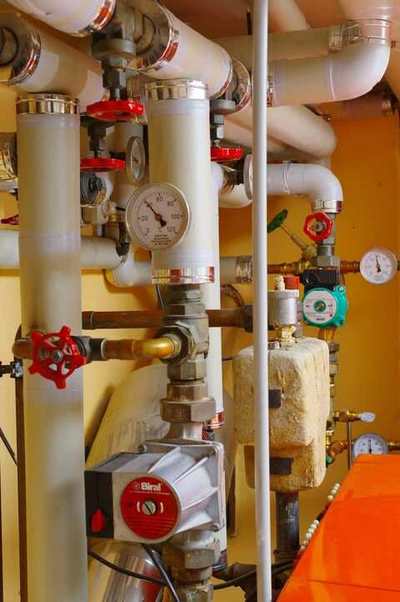
- Heating controls and pipework
- Gas appliances you have installed
- Your work vehicle
- Your team in suitable workwear
- Clean, tidy finished jobs
Avoid using stock photographs of smiling engineers beside random boilers. Customers want evidence of your actual work.
Do not upload customer addresses, personal documents or identifiable information without permission. If you photograph a Gas Safe card or certificate, make sure you are comfortable sharing the details publicly and avoid exposing information that should remain private.
Add new photos regularly. A current profile helps customers see that the business is active.
6. Ask for reviews after completed work
Reviews are one of the strongest trust signals on a local profile.
Ask for a review after a completed boiler service, repair, installation or gas safety visit. Make the request simple. Send the direct review link by text or email while the job is still fresh in the customer’s mind.
Do not offer money or discounts in exchange for positive reviews. Do not ask only your happiest customers. Build a steady, honest review pattern from the work you actually complete.
Encourage customers to describe the job naturally. Reviews mentioning a boiler repair, installation, landlord certificate or local area can help future customers understand what you do.
Respond to every review. Keep replies professional and avoid discussing private job details publicly. If a review is negative, acknowledge the concern and move the conversation offline where appropriate.

7. Answer common questions in the Q&A section
Use the Q&A section to answer questions customers are likely to ask before calling.
Useful questions may include:
- Do you provide emergency boiler repairs?
- Which areas do you cover?
- Do you issue landlord gas safety certificates?
- Which boiler brands do you install or service?
- Do you install gas cookers?
- How quickly can you respond to a gas leak concern?
- What information should I provide before requesting a quote?
Keep answers short and accurate. If a gas leak is suspected, make sure your advice is responsible and directs people to the correct emergency guidance. Do not make promises about response times that you cannot keep.
Check the Q&A section regularly. Correct inaccurate public answers and update anything that no longer reflects your service.
8. Publish useful Google updates
Google Posts are not a magic ranking button, but they help keep your profile active and give customers another reason to contact you.
Post about:
- Winter boiler preparation
- Recent boiler installation projects
- Annual servicing reminders
- Landlord certificate availability
- Heating control upgrades
- Common boiler faults
- Areas you are currently covering
- Changes to holiday or emergency hours
Use a clear photograph and one useful message. Do not fill every post with the same keyword or make claims you cannot prove.
A good post answers a real customer question and points to the next step: call, visit your website or request an estimate.
9. Keep response times and opening hours accurate
A customer searching “gas engineer near me” may call the first suitable business that answers.
Set your normal hours accurately. If you offer emergency cover, state the times you genuinely provide it. If you do not answer calls overnight, do not present yourself as a 24-hour emergency service.
Check that:
- The phone number is correct
- Calls reach someone who can respond
- Messaging is monitored
- Holiday hours are updated
- Your website shows the same contact details
- Your emergency wording matches your real availability
Fast, clear communication can be the difference between a profile visit and a booked job.
Common Google Business Profile mistakes
Leaving out Gas Safe information
Customers looking for gas work need reassurance. Put your registration wording and number where people can find it, while keeping every claim accurate.
Choosing the wrong category
A broad category can make it harder to match your profile to specific searches. Select the closest available category for your main work.
Listing areas you do not serve
Large service-area lists do not replace real local relevance. Add the places you actually cover and explain them on your website.
Ignoring reviews
A profile with unanswered reviews looks neglected. Request feedback consistently and respond to every review professionally.
Using one vague service description
“Gas work” does not tell a customer whether you repair boilers, issue certificates or install appliances. List the services separately.
Forgetting the website
Your profile and website need to support each other. Create clear pages for gas engineering, boiler installation, boiler repairs, servicing and gas safety certificates where those are core services.
How this fits with the wider VU1 system
Google Business Profile optimisation is one part of local visibility.
Your website still needs clear service pages, accurate location information, good mobile performance, consistent business details and a straightforward way to enquire.
VU1 checks these areas with a free 15-signal audit. Enter your website URL and town or service area, then receive a plain-English report in usually under 15 seconds. There is no signup and no confusing score.
Once customers find you, the next challenge is helping them make contact. VU1’s instant quote widget lets visitors choose a service, answer a few questions, see a starting estimate and leave their details before they leave your website.
The complete VU1 membership and includes local SEO work, Google Business Profile optimisation, citation building, website fixes, a domain, hosting and the instant quote widget. There are no per-lead fees.
You can also review representative VU1 case studies to see how clearer local information and better enquiry routes fit together across different trades.
Final checklist for gas engineers
Before you finish, check that you have:
- Selected the closest primary and secondary categories
- Added accurate service areas
- Included your real Gas Safe registration details
- Listed every core service separately
- Added boiler, appliance, van and team photographs
- Set accurate opening and emergency hours
- Requested reviews after completed work
- Responded to existing reviews
- Added useful Q&A answers
- Published occasional, relevant updates
- Linked the profile to clear website service pages
- Given customers a simple way to request a quote
Do not try to change everything in one afternoon and expect instant results. Make the information accurate, keep it current and track what improves over time.
Enter your website URL and your main town or service area into the free VU1 audit. Get your 15-signal report in under 15 seconds, see what may be costing you local gas engineering enquiries and get the next practical fixes in plain English.